Commercial leases: what to know before you sign
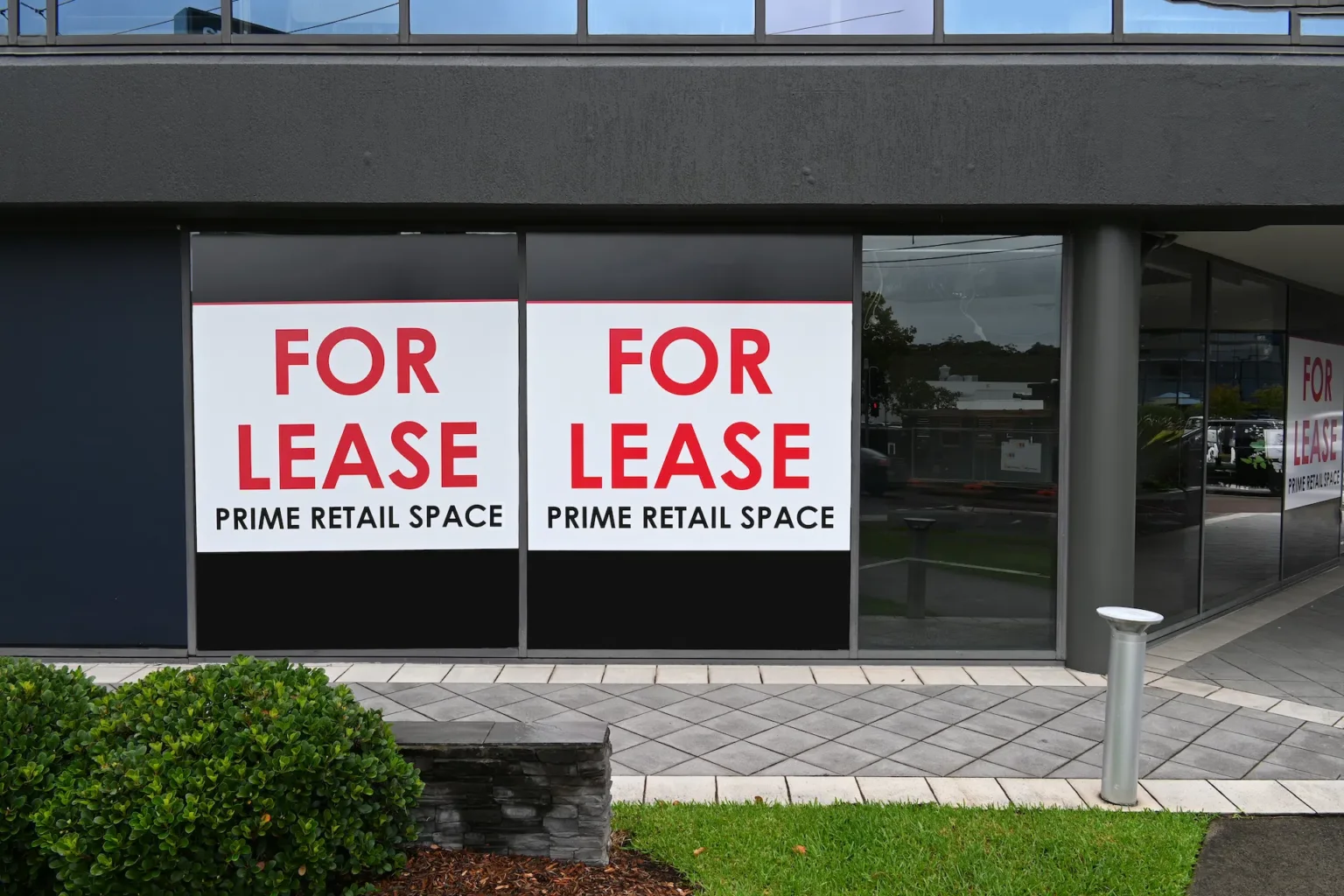
Signing a commercial lease is one of the most significant financial commitments a small business will make. It’s also one of the least understood – partly because nobody explains it plainly, and partly because the language is designed by lawyers for lawyers.
If you’ve signed a residential lease, you know the rough shape of it. Commercial leases are different in almost every way that matters. The protections you’re used to as a renter largely don’t exist. The obligations are greater, the terms are longer, and the cost of getting it wrong is higher.
None of this should scare you off. But you should go in with clear eyes.
How commercial leases differ from residential ones
There is no standard form
Residential leases follow a standard template. Commercial leases work differently — solicitors start from a proven base lease, then shape it around the deal in front of them: the tenant, the space, and the terms agreed. That’s why no two commercial leases end up looking quite the same, and why almost everything in it can still be negotiated — but only before you sign.
Longer terms, with options
Commercial leases are typically structured as an initial term (three or five years is common) plus one or more renewal options. The options protect you — they give you the right to stay, but not the obligation. The initial term binds you. Before you sign, understand your exit options if circumstances change.
This clause can be negotiable
Most commercial leases include a “make good” clause requiring you to return the space to its original condition when the lease ends. Depending on how it’s drafted, this can mean removing fit-out you’ve installed — at your own cost. This clause is negotiable. Get absolute clarity on what “make good” requires before you sign.
Outgoings
Many commercial leases are structured as “net” leases, where you pay base rent plus a proportional share of the building’s outgoings — council rates, strata levies, water connection charges, insurance. In a net lease, outgoings can add meaningfully to your total occupancy cost. Always ask for a written estimate of outgoings before you agree to terms.
Personal guarantees
If you’re operating through a company, expect to be asked to sign a personal guarantee on the lease. This means if the company can’t pay, your personal assets can be pursued. Negotiate the scope and term of the guarantee carefully — and get legal advice before you agree to it.
The most important thing you can do
Get a solicitor to review the lease before you sign. Not a conveyancer — a commercial solicitor who works with lease agreements. The cost is modest relative to what you’re committing to. This is not something to skip.
A note on retail leases in ACT and NSW
In both the ACT and NSW, leases covering retail businesses — those selling goods or services directly to the public — are subject to additional legislation: the Leases (Commercial and Retail) Act in the ACT and the Retail Leases Act in NSW. These provide extra protections including mandatory disclosure requirements, minimum lease terms in some cases, and access to dispute resolution. If you’re opening a retail business, confirm whether your lease is covered. Your solicitor can advise.
How LBKN writes its leases
Because we own the property, we write the lease. We try to structure it fairly — we want tenants who thrive and stay, not tenants who feel locked into something that isn’t working. We’ll walk you through the terms, answer questions plainly, and flag the things you should take to your own solicitor.
We don’t bury obligations in fine print. If something is in the lease, we’ll explain why it’s there.