What is commercial real estate
Not all real estate is created equal – here’s what commercial property really means.
When people hear “real estate,” they often think of houses, apartments, and land. But beyond the residential market lies the world of commercial real estate (CRE) – a sector built on income-generating properties that power our cities and towns.
Commercial property includes:
- Retail: From high-street shops to shopping centres and food precincts.
- Office: Corporate headquarters, shared workspaces, government tenancies.
- Industrial: Warehouses, distribution hubs, manufacturing facilities.
- Specialised Assets: Childcare centres, medical clinics, aged care, car washes etc.
Why it’s different from residential:
- Longer leases (often 3–10 years vs. 6–12 months in residential).
- Tenants often cover outgoings (reducing the landlord’s costs).
- Valuations linked to income, not just market sentiment.
- Tenants generally fit-out their premises as part of their lease.
Understanding the different categories – and how they behave in different market cycles – can help you choose the right asset for your strategy.
Thinking about investing in commercial property but not sure where to start? Let’s have a quick chat about your options.
Commercial leasing explained
When it comes to property, not all leases are created equal. A commercial lease is an agreement between a landlord and tenant for the use of a property specifically for business purposes – and it can be far more complex than a residential lease.
Unlike residential agreements, commercial leases are tailored to the property, the tenant, and the market. They often include:
- Lease Term + Options – How long the tenant will occupy the space.
- Rent Reviews – Adjustments to rent at set intervals (generally p.a.), often tied to CPI or fixed % increases.
- Incentives – Benefits such as rent-free periods, fit-out contributions, or rental abatements to attract tenants.
- Lease Structure – How rent and outgoings are split between landlord and tenant:
- Gross Lease – Tenant pays a single rent figure, and the landlord covers all property outgoings.
- Net Lease – Tenant pays rent plus the property outgoings (like rates, strata, and water connection).
- Semi-Gross Lease – The landlord covers the outgoings for the first year, and the tenant is responsible for any increases in outgoings from year two onwards.
- Bank Guarantee – A security provided by the tenant’s bank to cover the landlord if the tenant defaults on their obligations.
- Make Good – The tenant’s obligation to restore the premises to its original or agreed condition at the end of the lease.
Why does this matter?
Understanding the lease structure and key terms is critical. It not only determines the tenant’s obligations, but also directly impacts the property’s value, yield, and long-term performance.
For investors, a strong lease underpins stability. For tenants, it shapes operating costs and flexibility.
Whether you’re leasing, buying, or selling – knowing the mechanics of a commercial lease helps you see the true performance of the property.
Want to learn how lease structures could affect your property decisions? Reach out for a conversation about your goals and the market opportunities available.
What does “outgoings” mean?
When reviewing a commercial property, you’ll often see the term “outgoings.”, but not all outgoings are the same – they’re typically divided into Statutory and Non-Statutory (Operating) costs.
Statutory Outgoings
These are government-imposed charges tied to property ownership. They’re payable whether the property is occupied or not, and are usually recoverable from tenants.
Common examples:
- Council Rates – local government charges for land and services
- Strata Levies – contributions to shared building maintenance
- Water Connection Charges – costs for water access and supply
These costs are set externally and generally non-negotiable.
Non-Statutory (Operating) Outgoings
These relate to the ongoing management and upkeep of a property. They vary depending on ownership, building condition, and management practices.
Examples include:
- Building Insurance
- Property Management Fees
- Repairs & Maintenance
- Common Area Utilities
These aren’t legislated but form part of the day-to-day cost of running a property. Please note that these costs aren’t usually accounted for in net and gross rent calculations unless the property is a standalone / freehold building.
Why It Matters
Knowing which costs are statutory and which are operational helps:
- Landlords understand their true net income
- Tenants budget for total occupancy costs
- Both parties maintain transparency and trust in their lease agreements
Clarity around outgoings ensures accountability, prevents disputes, and supports smarter investment and leasing decisions.
What it actually costs to open a business in commercial space
This is something that surprises most people the first time they take on commercial space: you could easily spend between tens to hundreds of thousands of dollars before a single customer walks through the door.
Not on rent. Not on stock. Not on staff. Just on getting the doors open.
That can sound alarming — and for some businesses, it is. But if you understand what those costs are and where they come from, you can plan for them. And sometimes, with the right deal structure, reduce them significantly.
The three big costs before day one
1. The bond
Commercial leases typically require a security deposit (AKA. a Bank Guarantee) equivalent to three months’ rent plus GST. On a space at $50,000 +GST. per year, you’re looking at $12,500.00 +GST. locked up for the duration of the lease.
2. Rent in advance
Most commercial leases also require one months’ rent upfront on top of the bond as a deposit. Add that to your bond position and your cash takes a serious hit before you’ve opened.
3. Fit-out costs
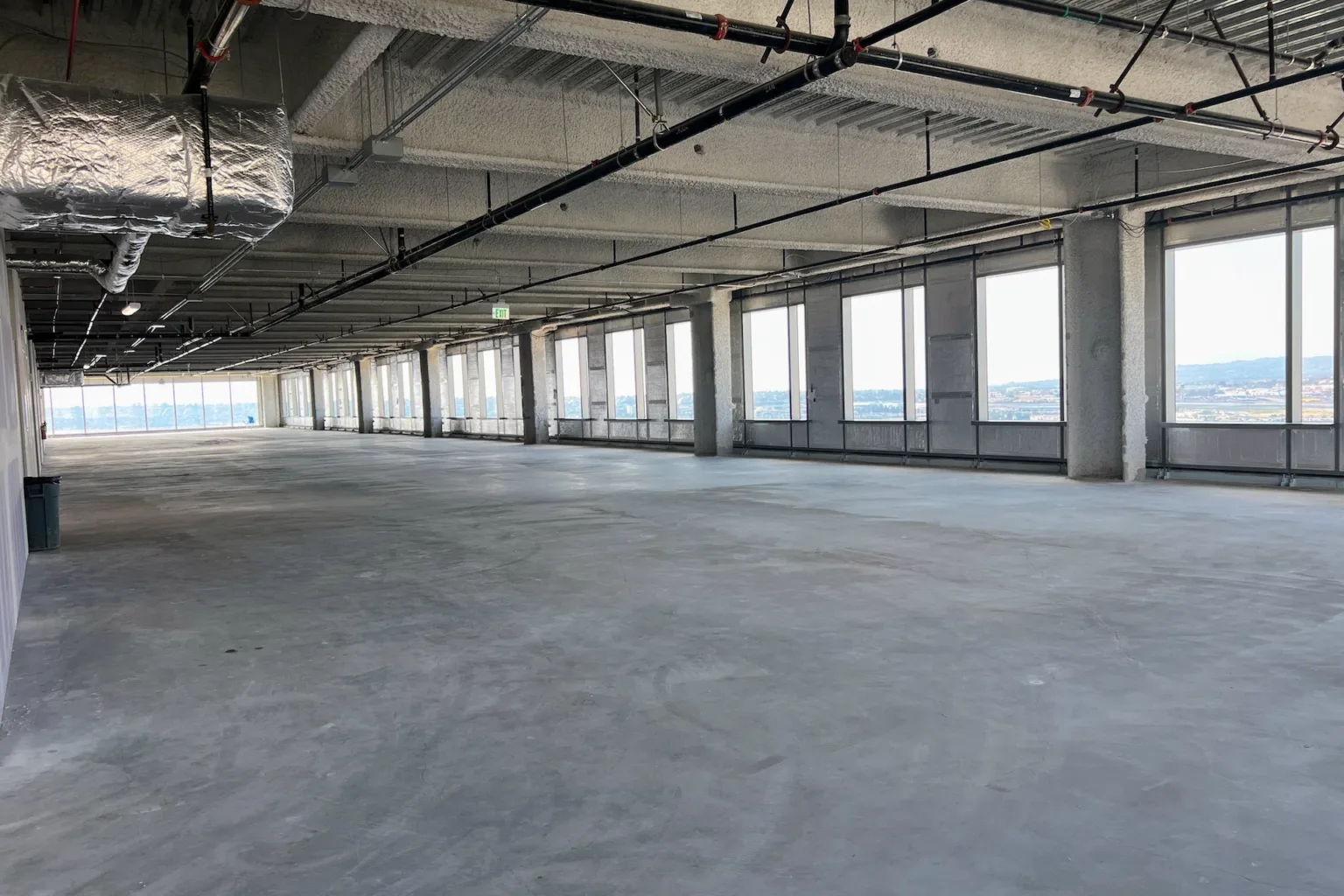
Commercial spaces are usually leased as shells — a concrete floor, bare walls, basic services, and little else. Everything that makes it a functioning business premises is yours to provide: flooring, lighting, fixtures, signage, equipment, joinery, and any plumbing or ventilation specific to your business. For a retail or food business, fit-out costs can range from $2,500/sqm for something modest to well over $5,000/sqm for anything substantial.
How to reduce these costs
You can’t eliminate them entirely. But there are legitimate ways to negotiate better terms:
A longer lease term often creates more room to negotiate. Landlords want certainty — five years of reliable tenancy is worth more to them than three. That leverage can translate into a longer rent-free periods, a contribution toward fit-out, or works completed before you have keys to the front door.
Fit-out contributions from the landlord can reduce the capital you need upfront. They’re not uncommon, particularly in properties that have been sitting vacant, and particularly when you’re committing to a longer term.
Rent-free periods that genuinely reflect your fit-out timeline — can materially improve your cashflow in those critical first months.
How LBKN approaches this
Because we own the property, we control some of these levers. We can’t make blanket promises — every deal is different and depends on the property and the lease term. But we can have an honest conversation about what’s possible, and structure things in a way that gives your business a genuine chance from day one.